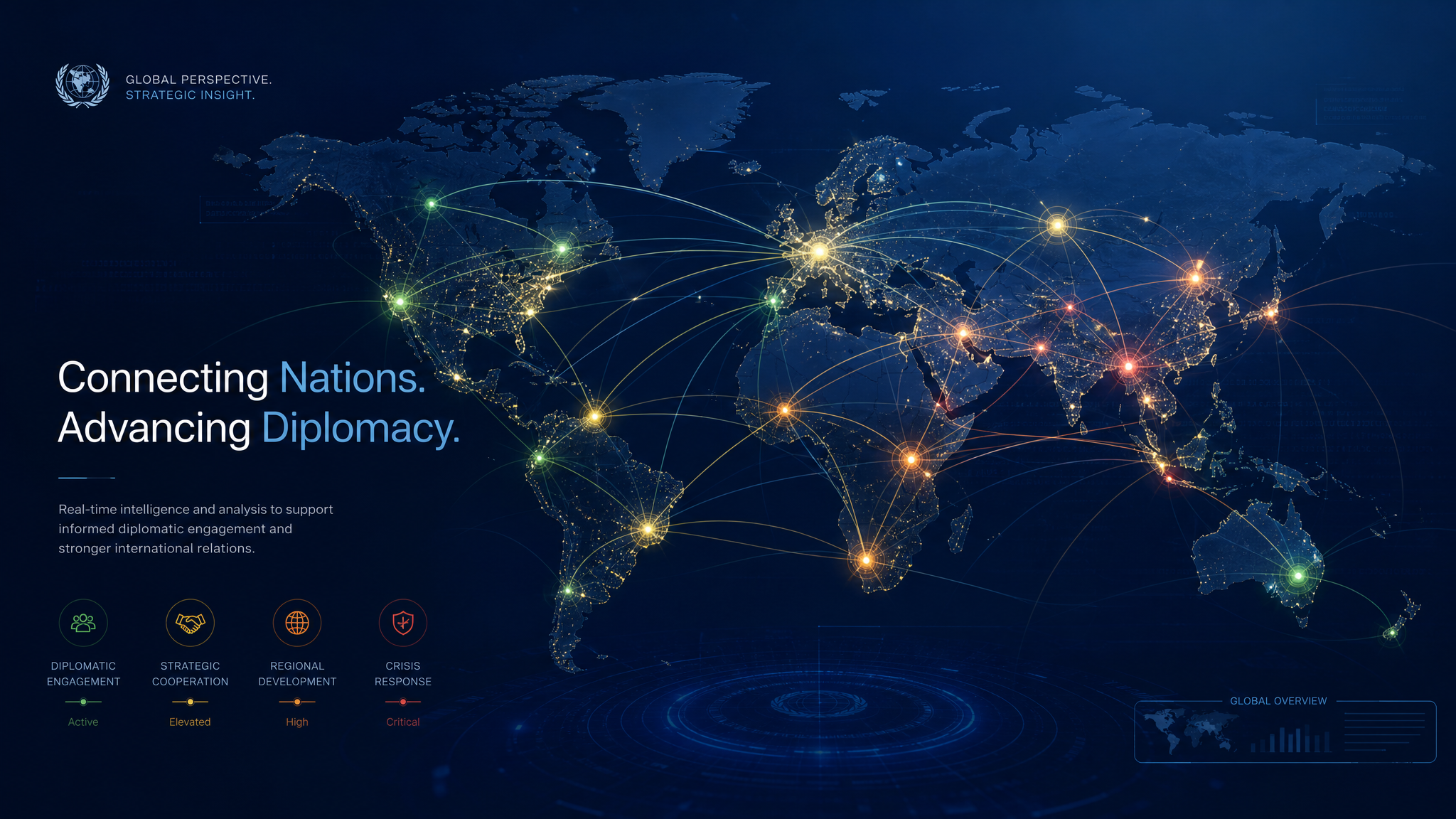
Diplomacy Has Changed. The Tools Must Change With It.
Diplomatic work has always required judgment, patience, knowledge, and trust. What has changed is the speed and volume of the environment around it.
The Operational Burden of Modern Diplomacy
Today’s diplomatic teams must monitor regional developments, misinformation campaigns, public sentiment, official statements, security risks, treaty obligations, and multilateral agendas—often across multiple languages and time zones.
Analysts spend too much time collecting and summarizing information.
Diplomats lose valuable preparation time before meetings.
Leaders receive fragmented briefings from disconnected sources.
Communications teams must respond to misinformation faster than manual review allows.
Crisis teams must act under pressure with incomplete or rapidly changing information.
Multilingual teams face translation, nuance, and cultural interpretation challenges.
Institutions struggle to preserve lessons learned across rotations, missions, and departments.
From Information Overload to Diplomatic Clarity
Diplomind® helps diplomatic institutions move from fragmented information to coordinated intelligence. The benefit is not simply faster work. The benefit is better diplomatic readiness.